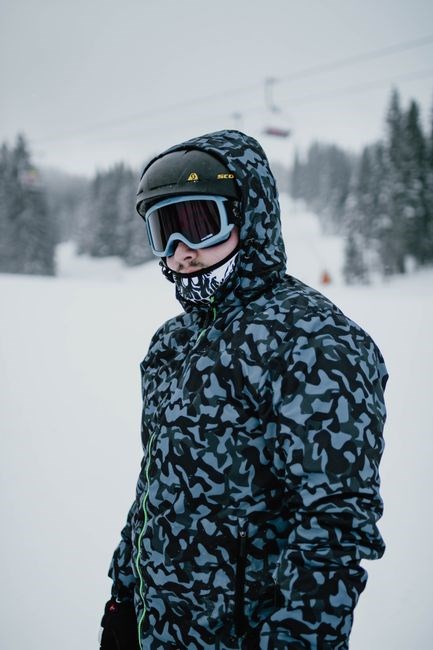
Choosing the right ski goggles starts with understanding how size impacts fit‚ comfort‚ and performance on the slopes. A proper size ensures clear vision‚ reduces fog‚ and prevents pressure points‚ making every run safer and more enjoyable.
Proper sizing cuts condensation‚ keeping lenses dry for vision!
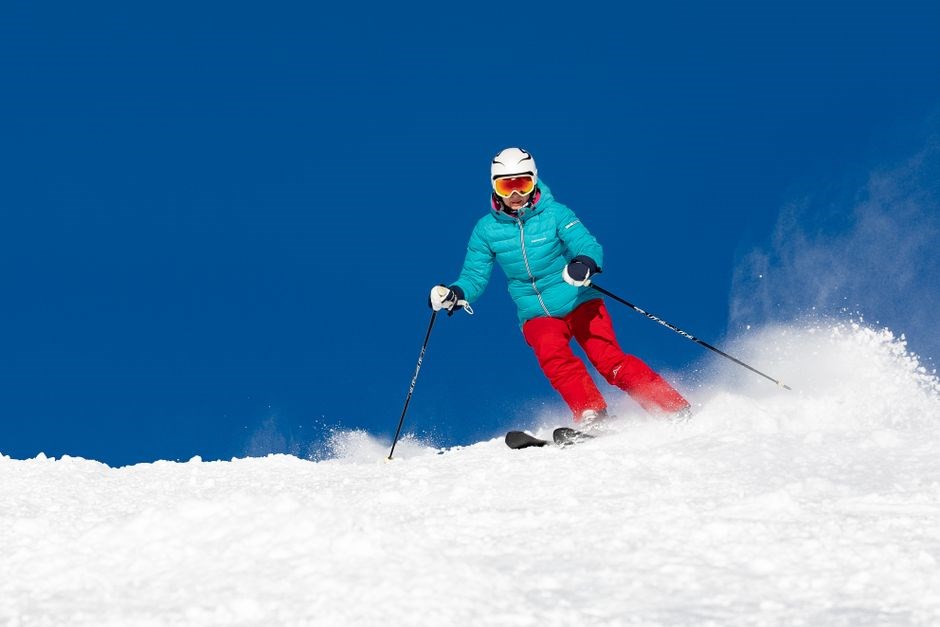
Importance of Proper Fit
Lens curvature should match your eye’s natural shape to avoid edge distortion. Anti‑fog coatings work best when the goggles seal tightly; a loose fit lets moisture in‚ making the coating ineffective. A strap system that distributes pressure evenly across the forehead and temples prevents pinched spots and headaches during long runs. Proper fit also enhances peripheral awareness‚ letting skiers spot hazards before they become imminent threats. This precision protects eyes from glare and UV rays ensuring a safe experience even sun or reflective snow.
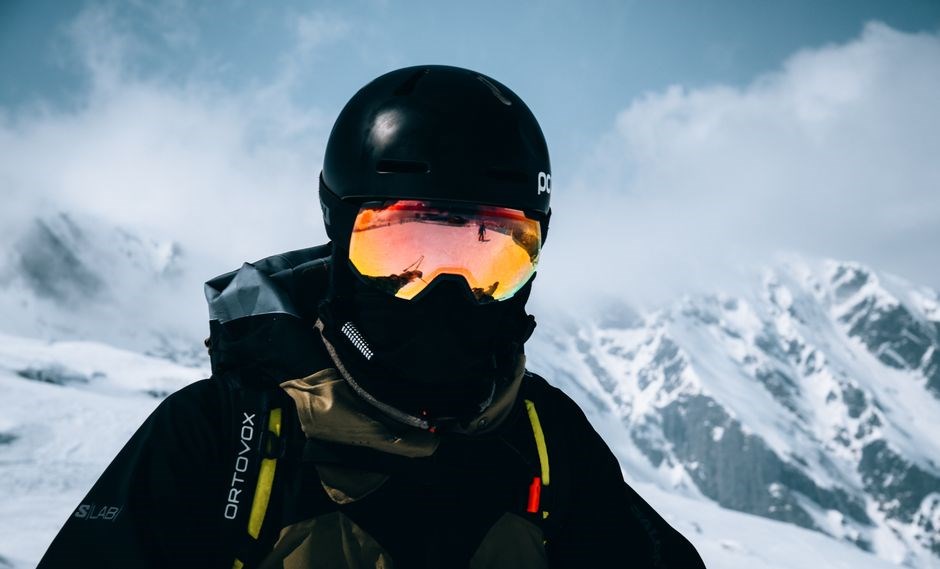
Common Goggles Sizes
Most manufacturers categorize ski goggles into three primary size ranges: Small (S)‚ Medium (M)‚ and Large (L). Some brands add an Extra‑Large (XL) option for athletes with broader faces or those who prefer a more generous field of view. Size designations are based on the horizontal width of the lens‚ measured in millimeters‚ and the overall height of the frame. For instance‚ a typical Small lens width falls between 100–110 mm‚ Medium ranges from 110–120 mm‚ Large spans 120–130 mm‚ and XL exceeds 130 mm. These ranges are not absolute; individual models may shift slightly due to lens curvature or frame depth. When shopping‚ always consult the brand’s specific size chart‚ as the same “Medium” label can represent a 115 mm lens width in one line and a 118 mm width in another. Additionally‚ some goggles offer interchangeable lenses‚ allowing a single frame to accommodate multiple sizes by swapping out lenses. This flexibility can be advantageous for athletes who grow or who want to tailor their goggles for different light conditions. Remember that the lens width is only one factor; the overall shape—round‚ oval‚ or rectangular—also influences how the goggles sit on your face. A round lens may feel tighter on a narrow face‚ whereas an oval lens can provide a more natural fit for a broader face. Ultimately‚ the best size is the one that balances a snug seal‚ clear vision‚ and comfortable strap tension.
Proper fit also requires testing strap tension and confirming the goggles seal tightly against the face to block wind.
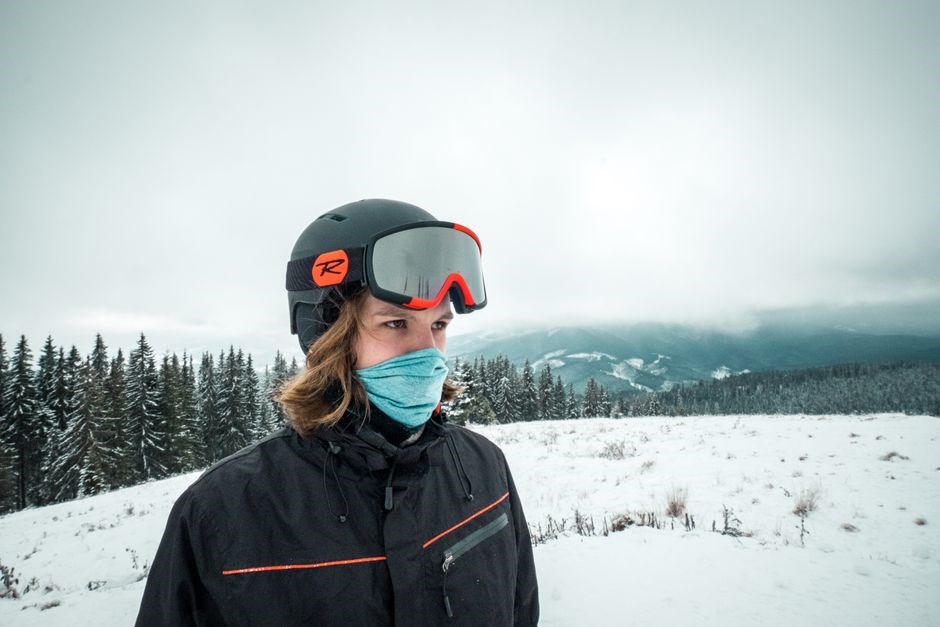
Measuring Your Face
Before you even look at a size chart‚ you need to know the exact dimensions of your face. The most reliable method is to use a flexible measuring tape or a piece of string marked in millimeters. Start by placing the tape just above your eyebrows‚ where the brow bone meets the forehead‚ and run it horizontally to the outer corner of your eye. This gives you the horizontal width of your face. Next‚ measure from the tip of your nose to the bottom of your chin‚ then add a small allowance—usually 5 mm—to account for the curvature of the jaw. Finally‚ measure the distance from the top of your forehead to the bottom of your chin; this vertical height helps determine the overall lens height you’ll need. Record all three numbers‚ and compare them to the brand’s size chart. If your measurements fall between two sizes‚ choose the larger size for a more comfortable fit. Remember‚ a snug fit reduces fogging and improves peripheral vision. Also‚ consider the shape of your face—oval‚ round‚ or square—since some goggles are designed to complement specific facial structures. A well‑measured face ensures you pick the right lens width‚ height‚ and frame depth for optimal performance on the slopes. When selecting goggles‚ consider the lens curvature‚ as it can improve peripheral vision and reduce distortion. The strap system should be adjustable to fit different head shapes. Test the goggles in a mirror to ensure the frame sits evenly and the lenses align with your eyes for optimal clarity and comfort!!!!!
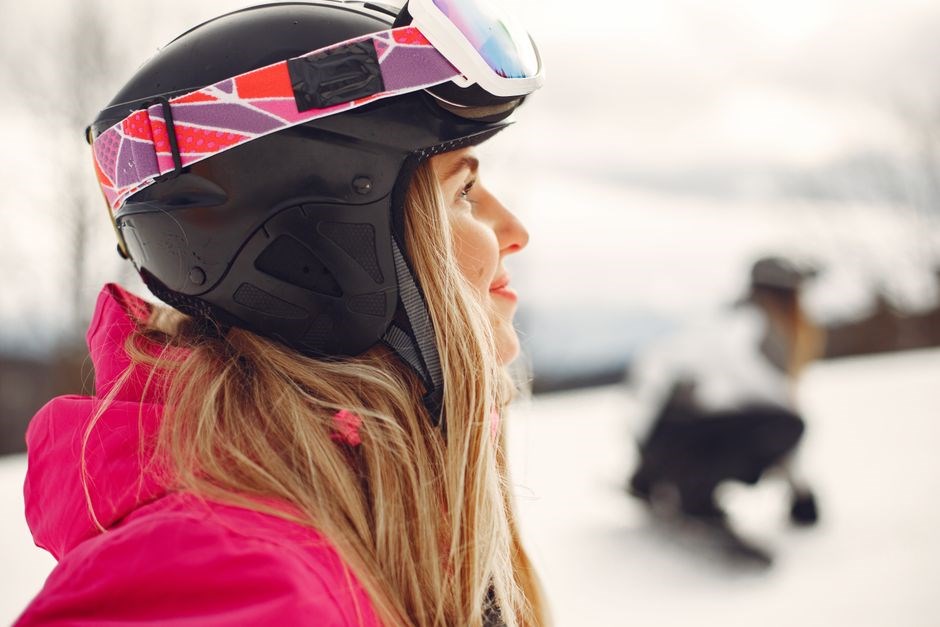
Measuring Goggles
To compare goggles with your face‚ first measure the goggles’ key dimensions: lens width‚ lens height‚ and frame depth. Lens width is the horizontal span from one edge to the other; lens height is the vertical span from top to bottom. Frame depth is the distance from the front of the frame to the back‚ indicating how the goggles sit on your face. Use a ruler or digital caliper for accuracy. Measure the width by placing the ruler flat on the lens surface and reading the millimeter scale. For height‚ measure from the top of the lens to the bottom edge. Frame depth is measured from the front of the frame to the back‚ ensuring the measurement includes the full thickness. Some brands also list a “face width” that includes the strap area‚ useful for overall bulk comparison. Once you have these numbers‚ match them to your face measurements. A general rule: lens width should be at least 10 mm larger than your face’s horizontal width‚ and lens height should be close to your face’s vertical height. If the frame depth is too shallow‚ goggles may sit too far from your eyes‚ causing distortion; if too deep‚ they may press hard on your cheeks. Many manufacturers provide a fit guide table with lens width‚ height‚ and depth for each size. Use that table to find the size that aligns with your measurements. Finally‚ try on the goggles with your helmet and adjust the straps for a snug but comfortable fit. Properly measured goggles stay in place‚ reduce fogging‚ and give you clear visibility on the mountain. Remember to test the goggles in natural light before purchasing‚ as lens coatings and tint can affect perceived fit and comfort. A well‑chosen size not only protects your eyes but also enhances your overall skiing experience.
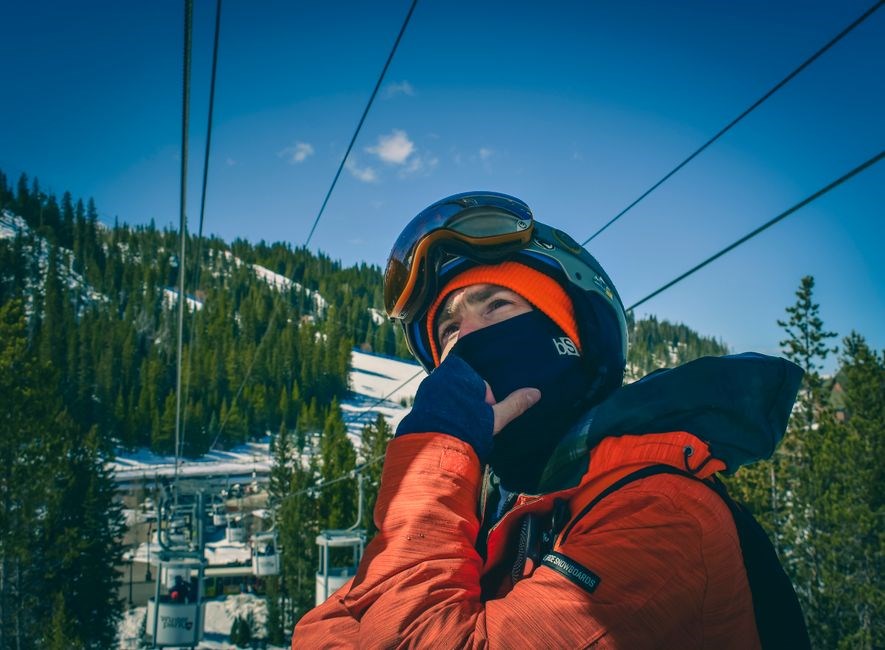
Interpreting Size Charts
Size charts list lens width‚ height‚ and frame depth in millimeters. Match your face width to the chart’s width column‚ and your face height to the height column. Depth indicates how the goggles sit; a deeper frame fits larger faces. Use the chart to pick the closest match. Check side panels for clearance and fit.
Size Conversion Across Brands
When comparing goggles from different manufacturers‚ the same numeric size can mean slightly different dimensions. Most brands use a three‑number system: width‚ height‚ and depth (e.g.‚ 140/70/30). Width is the horizontal span of the lens‚ height is the vertical span‚ and depth is the distance from the eye to the outer edge of the frame. To convert‚ first identify the width that matches your face measurement. Then look at the depth column; a deeper frame usually fits larger faces and provides more coverage. If a brand uses only a “size” label (S‚ M‚ L‚ XL)‚ refer to their specific chart: S typically covers 120–130 mm width‚ M 131–140 mm‚ L 141–150 mm‚ and XL 151+ mm. For brands that list only lens width‚ add 10–12 mm to the width to estimate the overall frame width‚ as the frame adds thickness. Always cross‑check with a real‑world fit test‚ because even identical numbers can feel different due to shape and strap design. A good rule of thumb is to choose the brand’s size that matches your face width‚ then adjust the strap for comfort and ensure no pressure points. This approach helps you navigate brand discrepancies and find the best fit for your face shape and skiing style. Because sizing can vary‚ it’s good to try on goggles before purchase. If you’re in between sizes‚ many brands offer adjustable lenses or frames to fine‑tune the fit. Remember‚ a slightly larger frame can accommodate a thicker face mask without compromising vision. If you’re still unsure‚ consult a guide or visit a retailer that offers services on‑site now.Try it
Fit Test Procedure
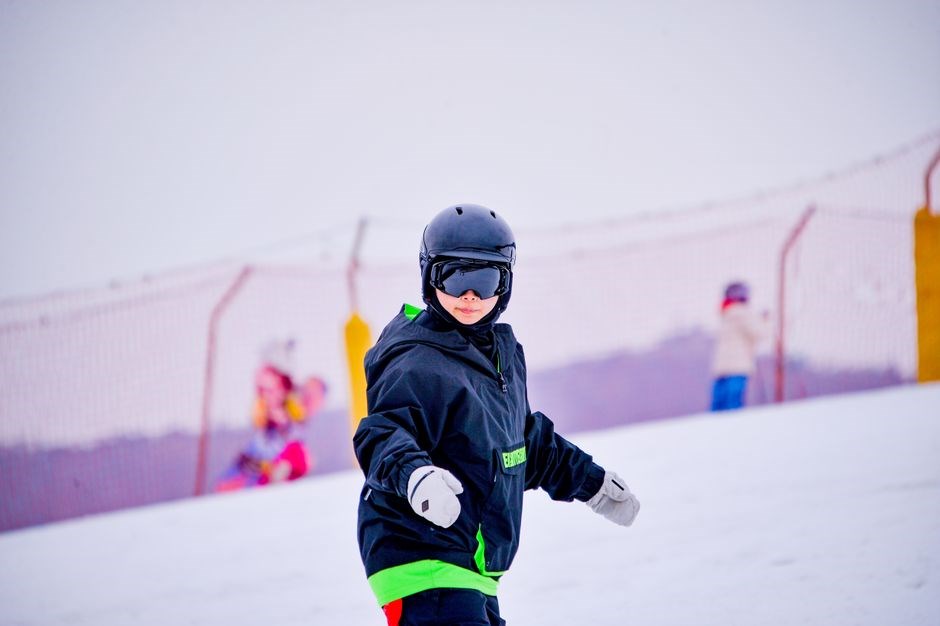
Before you hit the slopes‚ perform a systematic fit test to confirm that your goggles sit correctly on your face. Start by placing the goggles on your head and tightening the straps to a moderate tension—just enough to keep them in place without pinching. Check the lens edges: they should align with the outer corners of your eyes and not touch the cheeks. Next‚ look through the lenses while moving your head side‑to‑side; there should be no gaps or dark spots along the periphery. Adjust the strap tension until the goggles feel snug but not tight; a good indicator is that you can still breathe comfortably through the mask. Test the seal by gently pressing the frame against your cheeks; a proper seal will feel firm but not painful. Finally‚ perform a quick walk‑through on a flat surface‚ turning your head left and right‚ up and down‚ and nodding. Any shifting or slippage indicates that the size or strap adjustment needs refinement. If the goggles still feel off‚ try a different size or consult the brand’s size chart for a more precise match. A well‑fitted pair will stay in place‚ provide clear vision‚ and keep moisture out‚ ensuring a safe and enjoyable skiing experience.
For a more detailed assessment‚ use a mirror to observe the goggles from multiple angles. The lenses should cover the entire field of view without leaving any blind spots. If you notice a “black‑hole” effect‚ the frame is too wide. Conversely‚ if the lenses are too narrow‚ you’ll experience a tunnel vision effect. Additionally‚ test the goggles with a face mask or helmet to confirm that the seal remains intact under typical winter gear. Pay attention to any fogging; a properly fitted pair will minimize condensation by allowing adequate airflow. If fogging persists‚ consider a lens with anti‑fog coating or a different ventilation design. Remember that the fit test should be repeated after any significant weight change or when switching between helmets‚ as these factors can alter the optimal strap tension and frame positioning. By following this comprehensive procedure‚ you can ensure that your goggles provide maximum comfort‚ clarity‚ and protection on every run.
Adjusting Straps for Comfort
When you first try on a pair of ski goggles‚ the straps are usually set to a neutral tension that keeps the frame in place without exerting excessive pressure. However‚ the ideal strap tension varies with face shape‚ helmet compatibility‚ and personal preference. Begin by tightening the top strap until the goggles sit just above the brow‚ ensuring the lenses align with the outer eye corners. The bottom strap should be snug enough to keep the goggles from sliding down but not so tight that it creates a “pinch” around the cheeks. A good rule of thumb is to be able to insert a finger between the strap and your skin; if it’s too tight‚ you’ll feel discomfort after a few minutes.
Next‚ adjust the side straps—if your goggles have them—to fine‑tune the fit. These straps help prevent shifting when you turn your head or change helmet positions. Slide the side straps until the goggles feel stable‚ but avoid over‑tightening‚ which can cause pressure marks on the temples. For models with a single adjustable strap‚ use the built‑in tension dial to set a moderate pressure that holds the goggles firmly during high‑speed turns.
After setting the straps‚ test the seal by pressing the frame against your cheeks. A proper seal should feel firm yet comfortable‚ allowing air to circulate. If you notice fogging‚ loosen the straps slightly to improve ventilation. If the goggles feel loose‚ tighten them until the lenses stay in place during a head shake. Remember that strap tension can change when you switch helmets or add a face mask‚ so re‑check the fit after any gear change. change.!!!!!
Lens Size vs. Face Size
When selecting goggles‚ the relationship between lens width and your face dimensions is critical for both coverage and optical clarity. A lens that is too narrow may leave gaps around the eyes‚ allowing wind‚ glare‚ and snow to enter‚ while a lens that is excessively wide can distort peripheral vision and create unwanted reflections on the helmet visor. Most manufacturers provide a lens width measurement in millimeters‚ typically ranging from 60 mm to 80 mm for adult models. To determine the appropriate width‚ measure the horizontal distance between the outer corners of your eyes when your face is relaxed. This measurement should be compared to the lens width chart supplied by the brand; a match within ±5 mm usually yields a comfortable fit. Additionally‚ consider the lens shape—round‚ oval‚ or rectangular—as certain shapes accommodate specific face geometries better. For instance‚ a round lens tends to offer a broader field of view for wide‑eyed users‚ whereas an oval lens can reduce distortion for narrower faces. Another factor is lens curvature‚ usually measured by diameter or height. A higher curvature improves peripheral vision but can increase fogging risk if ventilation is poor. Therefore‚ pairing a lens width that matches your face width with a curvature that complements your eye placement ensures optimal very visual performance. Finally‚ remember that the lens size is only one component of the overall fit;the frame’s internal dimensions‚ strap tension‚ and helmet compatibility all interact to create a cohesive‚ comfortable experience on the slopes. Change.
Common Fit Issues and Solutions
Skier comfort hinges on a snug fit; even minor misalignments can cause wind tunnels‚ fog‚ and pressure marks. The most common complaints are: (1) lenses that slip forward‚ (2) straps that bite into the temples‚ (3) gaps around the eyes‚ and (4) a frame that feels too tight or too loose. Each problem has a straightforward remedy. For slipping lenses‚ adjust the inner strap or use a thicker gasket to secure the frame against the face. If the straps bite‚ replace the elastic with a softer‚ memory‑foam version or add a silicone pad to distribute pressure. Gaps are usually a mismatch between lens width and face width; try a slightly larger lens or a different shape that better conforms to your cheekbones. When the frame feels overly tight‚ loosen the outer strap and ensure the helmet’s chin strap is properly aligned; a mis‑aligned helmet can pull the goggles off center. Conversely‚ a loose frame should be tightened until the lenses press gently against the eyes without pinching. Finally‚ always test the goggles in motion: walk‚ jog‚ and simulate a run to confirm that the fit remains stable. Small adjustments can turn a mediocre pair into a reliable‚ fog‑free companion on the slopes. Remember‚ a proper pair reduces fatigue and improves performance!
Understanding Goggles Dimensions
When selecting a pair of ski goggles‚ the exact measurements of the frame and lens dictate how well the device will sit on your face. The most critical dimensions are the lens width‚ lens height‚ and the overall frame width. Lens width is the horizontal span from one side of the lens to the other; it should match the width of your eyes plus a small margin for comfort. Lens height is the vertical span from the top of the lens to the bottom; it determines how much of your eye area is covered and how much peripheral vision you retain. The frame width‚ measured from the outer edge of one side to the other‚ must accommodate your cheekbones and jawline without creating pressure points. Gasket thickness‚ usually ranging from 2 mm to 5 mm‚ affects the seal around the face; a thicker gasket can improve wind resistance but may feel bulky. Strap length and tension are also vital: a longer strap allows for a tighter fit‚ while a shorter strap may cause the goggles to shift during movement. Most manufacturers provide a size chart that correlates these measurements with a numeric size (e.g.‚ 55 mm lens width equals size 55). By comparing your face measurements to the chart‚ you can predict whether a particular model will fit snugly or require adjustments. Additionally‚ consider the lens shape—round‚ oval‚ or rectangular—as each shape interacts differently with facial anatomy. A well‑matched pair will stay in place‚ reduce fogging‚ and provide optimal visibility on the mountain. Remember‚ the right size keeps you focused‚ letting you enjoy every descent now!
Bottom Line: Choosing the Right Size
After exploring the intricacies of lens width‚ height‚ gasket thickness‚ and strap dynamics‚ the final decision hinges on a few practical steps. First‚ measure your face from cheekbone to cheekbone and from brow to brow‚ then compare those numbers to the brand’s size chart. If your measurements sit between two sizes‚ lean toward the larger option for a more comfortable‚ less restrictive fit. Second‚ try on multiple pairs in a store or use a virtual fitting tool if available; a snug but not tight seal around the eyes is ideal. Third‚ adjust the straps to achieve a secure‚ even pressure—tight enough to hold the goggles in place during high‑speed turns‚ but loose enough to avoid pinching the skin. Fourth‚ consider the lens shape and field of view; a wider lens may be preferable for low‑visibility conditions‚ while a more compact lens can reduce wind noise. Finally‚ test the goggles in a real‑world setting: wear them for a short run‚ check for fogging‚ and ensure the goggles stay in place while you move your head. By following these guidelines‚ you’ll find a pair that balances comfort‚ performance‚ and durability‚ allowing you to focus on the slope rather than on equipment fit.
Remember that the best goggles are not only about size; they also incorporate anti‑fog coatings‚ UV protection‚ and ventilation. A well‑ventilated lens keeps moisture at bay‚ while a UV shield protects your eyes from harmful rays. Pairing the right size with these features guarantees a clear‚ comfortable‚ and safe experience on the mountain. With the right fit‚ you glide effortlessly‚ enjoying crisp views!.
FAQ
- How do I know if my goggles fit properly?
Check that the lenses sit level with your eyes‚ the gasket forms a seal around the cheeks‚ and the straps are snug but not pinching. You should be able to move your head without the goggles slipping. - Can I mix and match brands for a better fit?
While the frame and lenses may differ‚ the gasket and strap systems are usually brand‑specific. Mixing can lead to poor sealing and discomfort. - What if my face is between two sizes?
Opt for the larger size; a slightly looser fit prevents pressure points and allows better ventilation. - Do larger lenses mean better visibility?
Not necessarily. Lens width should complement your face size; oversized lenses can cause distortion and wind noise. - How do I adjust the straps for maximum comfort?
Start with the middle strap‚ tighten until the goggles sit firmly. Then adjust the side straps to even out pressure and ensure the frame stays centered. - Is there a universal size chart?
Most brands provide their own charts. Use your face measurements and compare them to the chart; convert if needed using the brand’s conversion table. - What should I do if my goggles fog up?
Use anti‑fog sprays‚ keep the gasket clean‚ and ensure proper ventilation. Replace the gasket if it’s worn.
- How often should I replace the gasket?
Gaskets wear out after 1–2 seasons. Look for cracks‚ stiffness‚ or loss of elasticity. Replacing keeps a tight seal and prevents fogging. - Can I use the same goggles for both skiing and snowboarding?
Most goggles are versatile‚ but check the strap width and lens shape for optimal performance on each discipline. - What is the best way to clean my goggles?
Use a microfiber cloth and a lens cleaner. Avoid harsh chemicals that can damage the anti‑fog coating. - How do I store my goggles when not in use?
Keep them in a padded case and avoid extreme temperatures to preserve the gasket and lens coating. - Do I need to replace lenses when they get scratched?
Minor scratches can be buffed‚ but deep scratches usually require a lens replacement for clear vision. - Is there a difference between polarized and non‑polarized lenses?
Polarized lenses reduce glare but can interfere with some electronic displays; non‑polarized offer better visibility in bright conditions. - What is the recommended cleaning frequency?
Clean lenses after each session to avoid residue buildup that can impair vision.
Clear view.
Choosing the correct ski goggle size is a blend of science and comfort. By measuring your face‚ testing fit‚ and interpreting brand charts‚ you can find a pair that stays in place‚ blocks wind‚ and delivers crisp vision. A well‑fitted goggle reduces fog‚ prevents pressure marks‚ and lets you focus on carving rather than adjusting straps. Remember that the gasket’s elasticity‚ the strap tension‚ and the lens width all work together to create a seal that stays tight through temperature swings. If you find your goggles still feel loose or tight‚ adjust the side straps or try a different size. A slightly larger frame often offers better ventilation and less fogging. Always keep your lenses clean‚ replace worn gaskets‚ and store the goggles in a padded case to preserve the seal. With the right size‚ you’ll enjoy clearer sight lines‚ fewer distractions‚ and a more confident ride down every slope.